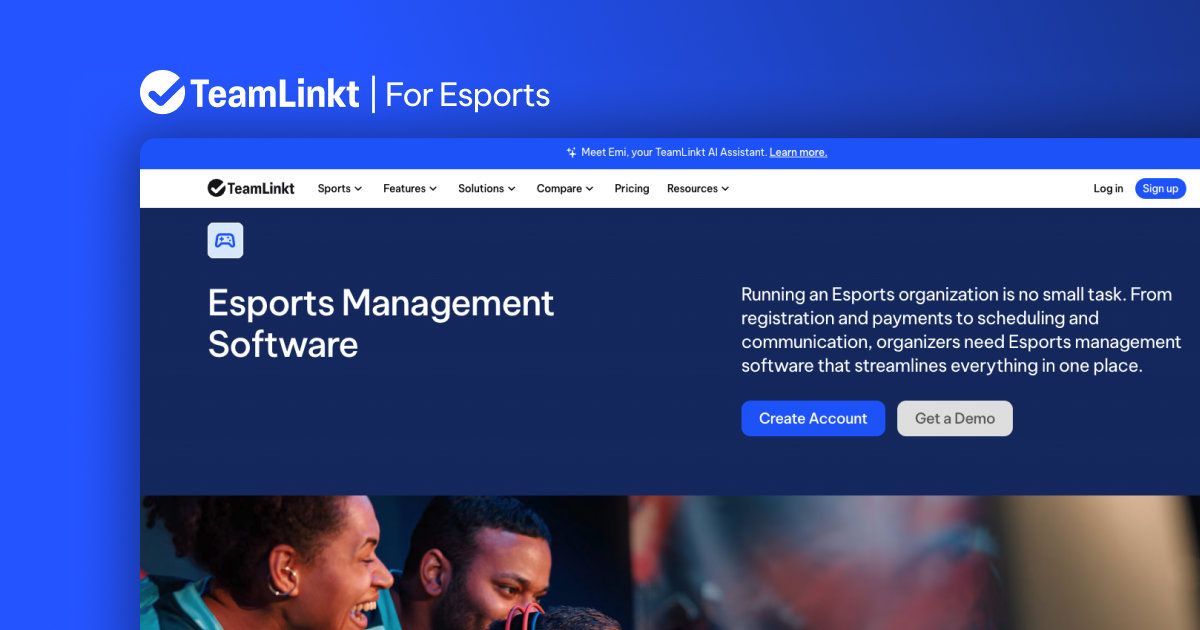
The exhilarating world of esports thrives on skill, strategy, and lightning-fast reflexes. But behind every dazzling play and nail-biting finish lies a complex ecosystem of organization, coordination, and administrative heavy lifting. From managing vast player pools and intricate tournament brackets to ensuring seamless communication across diverse teams, the operational demands of esports can be as challenging as the games themselves. This is where esports management software steps in, transforming chaotic spreadsheets and fragmented communication into a streamlined, efficient, and enjoyable experience for everyone involved.
Far more than just a digital clipboard, robust esports management software serves as the central nervous system for leagues, clubs, and organizations of all sizes. It's designed to automate tedious tasks, enhance transparency, and foster a more connected community, ultimately allowing organizers to focus on what truly matters: growing their league and delivering unforgettable competitive experiences. By consolidating crucial functions like registration, scheduling, and team communication into one intuitive platform, these specialized tools are quickly becoming indispensable for modern esports operations.
The Administrative Advantage: Streamlining Esports Operations
Running a successful esports league or organization is akin to managing a small enterprise. It requires meticulous attention to detail, efficient resource allocation, and a robust framework for handling a multitude of moving parts. Without dedicated solutions, organizers often find themselves buried under mountains of manual data entry, endless email chains, and the constant stress of potential errors. Esports management software alleviates this burden by digitizing and automating key administrative functions, paving the way for smoother operations and significant time and cost savings.
Effortless Registration and Payment Processing
One of the initial hurdles for any league or tournament is player registration. The process can be cumbersome, leading to frustration for both participants and organizers. Traditional methods involving paper forms, email confirmations, and manual payment tracking are not only time-consuming but also prone to human error. Modern esports registration software revolutionizes this by offering:
- Customizable Online Forms: Easily create tailored registration forms for players, coaches, volunteers, and staff. This ensures you collect all necessary information upfront, whether it's game IDs, team preferences, or consent forms.
- Secure Payment Gateways: Collect entry fees, membership dues, or other payments securely online. Options for credit cards, offline payments, and even installment plans provide flexibility for participants while simplifying financial tracking for organizers.
- Integrated Add-ons: Beyond core registration, many platforms allow you to offer add-ons directly through the registration process. This could include merchandise sales, fundraising initiatives, insurance options, or donation opportunities, creating additional revenue streams and convenience.
- Real-Time Reporting: Gain instant insights into registration numbers, payment statuses, and demographic data. These comprehensive reports are invaluable for making informed decisions, marketing efforts, and understanding your participant base.
By automating registration, organizations can quickly scale their events, process thousands of sign-ups with minimal effort, and significantly reduce the administrative overhead typically associated with onboarding participants.
Dynamic Schedule Creation and Management
Crafting fair and balanced schedules for esports tournaments, leagues, or even practice scrims can be an incredibly complex puzzle. Juggling team availability, venue/server logistics, blackout dates, and ensuring competitive integrity through balanced matchups often consumes countless hours. An integrated esports schedule maker takes the stress out of this process:
- Automated Schedule Generation: Input your parameters – teams, venues, dates, and match rules – and let the software instantly generate complete schedules that are balanced and fair. This eliminates manual setup time and potential conflicts.
- Flexibility and Conflict Resolution: Easily manage blackout dates, team availability, and specific server or venue requirements. The software can often highlight potential conflicts and suggest adjustments, ensuring a smooth flow of matches.
- Instant Updates & Notifications: Make real-time changes to the schedule, and have those updates automatically sync to your league website and mobile app. Players and teams receive instant push notifications about schedule changes, match results, and important announcements, minimizing confusion and missed games.
- Data-Driven Insights: Connect with studio stakeholders and provide meaningful data on match progress, viewership, and team performance, enriching the overall ecosystem.
The ability to quickly adapt to unforeseen circumstances, like player no-shows or technical delays, with instant updates is a game-changer for maintaining a professional and reliable league operation.
Fostering Seamless Team Communication and Engagement
The success of any esports endeavor heavily relies on effective communication. Whether it's an organizer disseminating critical information, a coach coordinating strategies, or teammates planning their next move, clear and instant communication is paramount. Esports management software extends its utility beyond just organizers, empowering every member of the league community.
The Power of Integrated Team Apps
Many comprehensive platforms offer a dedicated, often free, esports team app designed for players, coaches, and team managers. This app becomes the central hub for team-level interactions, significantly reducing the administrative burden on organizers and enhancing the participant experience. With such an app, teams can:
- Instant Schedule Sync: Automatically receive their specific match schedule, practice times, and event details directly in the app, eliminating the need to search for information.
- Built-in Team Chat & Messaging: Facilitate easy communication between team members, coaches, and managers. This centralizes discussions, strategy planning, and general chatter, moving away from fragmented chat apps.
- RSVPs & Attendance Tracking: Players can quickly RSVP for matches and events, allowing coaches to track availability and plan accordingly. This improves team coordination and reduces last-minute surprises.
- Photo & Video Sharing: Celebrate victories, share highlight clips, and capture memorable moments directly within the team's private space, fostering camaraderie and team spirit.
- Real-time Push Notifications: Get immediate alerts for league-wide announcements, schedule changes, match results, and team messages, ensuring no one misses crucial information.
This holistic approach creates a more integrated and engaging experience, making it easier for participants to stay connected and informed, which ultimately contributes to higher satisfaction and retention rates. For more insights on this topic, consider reading Beyond Spreadsheets: Choosing Modern Esports Team Management Tools.
Building Your Brand with an Esports Website
In today's digital age, a professional online presence is non-negotiable for any legitimate organization. Many top-tier esports management software solutions include an integrated website builder. This allows leagues to launch a modern, professional website quickly and easily, showcasing schedules, standings, news, and team profiles. A dedicated website lends credibility, improves visibility, and serves as a public face for the league, attracting new players, sponsors, and fans.
Beyond the Basics: Advanced Features and Considerations
While the core functionalities of registration, scheduling, and communication form the backbone of Streamline Your Esports Operations: Essential Management Software, the needs of esports organizations can vary significantly. A high school club's requirements will differ greatly from a professional league with multi-million dollar prize pools. Therefore, when evaluating esports management software, it's worth considering advanced features and broader integrations:
- Robust Data Analytics: Beyond basic reports, some platforms offer in-depth analytics on player performance, viewership trends, demographic breakdowns, and engagement metrics. This data can be crucial for strategic planning, sponsor reporting, and identifying areas for growth.
- API Integrations: For more sophisticated operations, the ability to integrate with other specialized tools (e.g., streaming platforms, dedicated analytics dashboards, CRM systems, accounting software) can create a truly comprehensive ecosystem. While the management software handles the operational core, other tools can address hyper-specific needs like detailed coaching analysis or complex financial modeling.
- Scalability: Does the software have the capacity to grow with your organization? Can it handle a sudden surge in participants or expansion into new titles and regions without performance issues?
- Customization and Branding: The ability to fully brand the platform, website, and app with your league's logos, colors, and unique identity reinforces your brand image and provides a professional, consistent experience.
- Security and Compliance: With personal data and financial transactions involved, strong security measures and compliance with data privacy regulations (like GDPR) are absolutely essential.
Understanding the full scope of your organizational needs, both current and future, is key to selecting a solution that will serve you effectively in the long run.
Choosing the Right Esports Management Software
Selecting the ideal esports management software is a critical decision that can significantly impact your organization's efficiency and success. Here are practical tips to guide your choice:
- Assess Your Core Needs: Start by identifying your biggest pain points. Is it chaotic registration? Manual scheduling? Poor team communication? Prioritize the features that will solve your most pressing issues.
- Consider Your Scale: Are you managing a small local club, a regional league, or an international tournament circuit? Different software solutions are tailored for varying scales and complexities.
- Budget Wisely: Esports management software comes at various price points, often based on features, number of teams/players, and support levels. Balance your budget with the value and efficiency gains you expect.
- Evaluate User Experience: The software should be intuitive and easy to use for organizers, coaches, and players alike. A clunky interface will lead to frustration and low adoption rates. Look for clean designs and straightforward workflows.
- Check for Support and Updates: A responsive support team and regular software updates are crucial. This ensures ongoing functionality, bug fixes, and access to new features as the esports landscape evolves.
- Request Demos and Trials: Don't commit without seeing the software in action. Take advantage of demos or free trial periods to thoroughly test the features and ensure they meet your specific requirements.
In conclusion, the administrative challenges of running an esports organization are substantial, but they are no longer insurmountable. Modern esports management software provides comprehensive, integrated solutions that simplify registration, streamline scheduling, and foster unparalleled team communication. By embracing these powerful tools, leagues, clubs, and tournament organizers can save invaluable time, reduce costs, and most importantly, deliver a superior, more engaging experience for every gamer, coach, and fan. The future of esports operations is efficient, connected, and driven by smart software solutions.