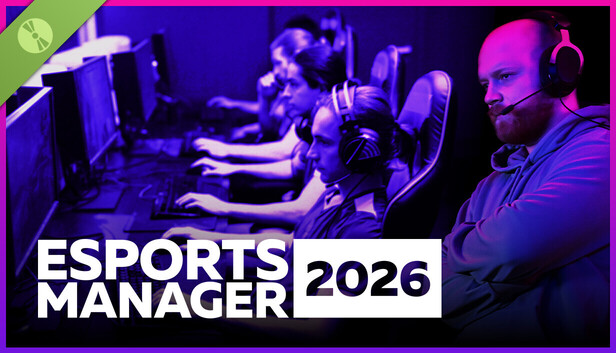
The Evolving Landscape of Esports Management: Beyond Manual Chaos
The world of esports is a vibrant, fast-paced ecosystem, demanding agility, precision, and seamless coordination. From aspiring amateur teams to professional leagues with thousands of players, the administrative burden of running an esports organization is immense. What was once managed through a patchwork of spreadsheets, fragmented communication apps, and manual data entry has given way to a new era: the age of sophisticated esports management software.
In today's competitive landscape, relying solely on basic tools like Excel for finances or disparate chat apps for team communication is no longer sustainable. Modern esports entities require integrated solutions that not only streamline operations but also enhance the experience for players, coaches, staff, and fans alike. This shift isn't just about saving time; it's about professionalizing the entire operation, reducing errors, cutting costs, and providing meaningful data insights that drive success and growth. Choosing the right esports management software is therefore a critical strategic decision that can define an organization's efficiency and competitive edge.
Key Features of Modern Esports Management Software
Effective esports management software acts as the central nervous system for your organization, connecting all vital functions into one cohesive platform. When evaluating potential solutions, look for comprehensive feature sets that address the core needs of any esports operation:
Streamlined Registration & Onboarding
- Customizable Forms: Gone are the days of generic sign-up sheets. Modern software allows you to create bespoke online registration forms for players, coaches, volunteers, and even event staff. This ensures you collect all necessary information efficiently.
- Secure Payment Processing: Facilitate hassle-free transactions with integrated payment gateways. Look for options that support various methods, including credit cards, offline payments, and installment plans, making participation more accessible.
- Add-on Options: Maximize revenue and engagement by offering add-ons during registration, such as merchandise, fundraising opportunities, event insurance, or donation prompts.
- Real-time Reporting: Gain instant visibility into your registration data. Track sign-ups, payment statuses, and demographic information with easy-to-digest reports, crucial for strategic planning and sponsor engagement.
Powerful Scheduling & Competition Management
Building fair and balanced schedules for tournaments, leagues, or even internal scrims can be a logistical nightmare. The best esports management software simplifies this complex process:
- Automated Schedule Generation: Tools that can auto-generate complete match, league, or tournament schedules in minutes, saving countless hours of manual setup.
- Constraint Management: Effectively handle blackout dates, team availability, specific venue or server details, and even game-specific rules to create optimal matchups.
- Dynamic Updates: The esports environment is fluid. Look for systems that allow real-time updates to schedules, results, and announcements, instantly notifying all relevant parties via integrated websites and mobile apps.
- Data Integration: Empower your esports club with more meaningful data, allowing you to connect with studio stakeholders, share performance metrics, and build compelling narratives around your competitions.
Seamless Communication & Team Collaboration
Beyond the organizational backbone, robust esports management software significantly enhances day-to-day team operations, reducing administrative overhead for coaches and managers:
- Integrated Team App: Provide every team in your league or organization with a dedicated mobile app. This centralizes communication and information, moving beyond fragmented chat platforms.
- Instant Schedule Sync: Automatically push every online match, scrim, and event directly into the team app, ensuring everyone is always up-to-date.
- Built-in Chat & Messaging: Facilitate easy communication within teams and between coaches and players, reducing reliance on external apps.
- RSVPs & Attendance Tracking: Effortlessly track player availability and participation for practices, scrims, and matches, ensuring you know who's ready to play.
- Photo & Video Sharing: Encourage team spirit and performance review by allowing easy sharing of highlights, photos, and VODs directly within the app.
- Push Notifications: Ensure critical updates, results, and schedule changes reach players and staff immediately.
Professional Web Presence
A professional online presence is crucial for credibility, fan engagement, and attracting sponsors. Many comprehensive esports management software solutions include an integrated website builder. These tools enable organizations to launch modern, responsive league or team websites that automatically sync with schedules, results, and team information, creating a unified digital experience.
For organizations seeking a robust, all-in-one platform to orchestrate their entire operation, exploring dedicated essential esports management software can be a game-changer.
Beyond the Basics: Specialized Tools and Holistic Solutions
While an all-in-one esports management software is foundational, the diverse needs of a growing esports organization often extend beyond core administrative tasks. A truly holistic approach acknowledges that different facets of an organization may require specialized tools, which ideally integrate or complement your primary platform. As eloquently put by a Reddit user, managing an esports team requires you to "be much more specific" about your needs.
Coaching and Performance Analysis
For serious teams, coaching involves more than just scheduling. It delves into deep analytical work:
- VOD Review Software: Specialized tools allowing coaches to draw over replays, highlight mistakes, and annotate strategies. Think of enhanced "e-pen software" with advanced analysis capabilities.
- Game-Specific Analytics Platforms: Many popular esports titles have third-party services that provide detailed player statistics, match insights, and performance breakdowns (e.g., tracking vision score in LoL, economy in CS:GO, build orders in StarCraft).
- Input Reading Displays: For games requiring precise mechanical execution, tools that visualize player inputs can be invaluable for identifying and correcting muscle memory issues.
- Sports Psychology & Wellness Platforms: As esports athletes push boundaries, tools for mental conditioning, stress management, and even physical training programs are becoming increasingly relevant.
Financial Management & HR
While esports management software handles registration payments, a larger organization has broader financial and human resource needs:
- Accounting Software: Beyond Excel, professional platforms like QuickBooks or Xero are essential for managing budgets, payroll, prize pool distribution, sponsor invoices, and tax compliance.
- Contract & Roster Management: Dedicated HR platforms or even CRM (Customer Relationship Management) systems can help manage player contracts, staff agreements, performance reviews, and talent pipelines.
Content Creation & Community Engagement
Many esports organizations have a content wing dedicated to engaging fans and building brand identity:
- Asset Management Systems: For storing and organizing vast libraries of video, image, and audio assets.
- Social Media Management Tools: For scheduling posts, analyzing engagement, and managing community interactions across multiple platforms.
- Streaming Software & Platforms: Essential for live broadcasts, player streams, and event coverage.
The key is to consider how your chosen esports management software can integrate with these specialized tools. Does it offer API access? Can you export data easily? A flexible platform will allow you to build a comprehensive tech stack that caters to every specific need.
If your primary goal is to simplify player onboarding, scheduling complex tournaments, and fostering seamless communication, understanding how esports software simplifies registration, scheduling, and team communication is key to choosing the right solution.
Implementing and Maximizing Your Esports Management Platform
Selecting the right esports management software is only the first step. Effective implementation and ongoing optimization are crucial for realizing its full potential:
- Assess Your Specific Needs: Before committing, conduct a thorough audit of your organization's size, budget, game titles, growth projections, and pain points. Are you a small club, a regional league, or a national organization? Your needs will vary significantly.
- Prioritize Scalability and Support: Choose a solution that can grow with you. Inquire about customer support, training resources, and the vendor's roadmap for new features.
- Plan for Integration: Consider how the new software will interact with existing tools or specialized platforms you already use (e.g., Discord, game analytics dashboards, accounting software). Look for platforms with open APIs or robust import/export functionalities.
- Invest in Training: Ensure all stakeholders—from league organizers and team managers to coaches and players—are adequately trained on how to use the new system. A powerful tool is useless if nobody knows how to leverage it.
- Leverage Data for Decision-Making: Actively use the reporting and analytics features. Data on registration trends, player attendance, schedule adherence, and financial performance can provide invaluable insights for strategic planning, sponsor reports, and operational improvements.
- Gather Feedback: Regularly solicit feedback from users to identify areas for improvement or additional features. This iterative process helps ensure the software continues to meet evolving needs.
Conclusion
The transition from fragmented, manual processes to integrated esports management software is no longer a luxury but a necessity for any serious esports organization. By embracing modern tools that streamline registration, simplify scheduling, enhance communication, and provide valuable insights, teams and leagues can professionalize their operations, reduce administrative overhead, and deliver a superior experience for everyone involved. The key to unlocking success in this dynamic industry lies in making an informed choice about the platform that will serve as the digital backbone of your esports endeavors, propelling you beyond mere spreadsheets towards a future of efficiency, growth, and sustained excellence.